
Open AccessArticle
The Effect of Different Sintering Protocols on the Mechanical and Microstructural Properties of Two Multilayered Zirconia Ceramics: An In Vitro Study
Department of Prosthodontics, Faculty of Dentistry, Gazi University, 06490 Ankara, Turkey
*
Author to whom correspondence should be addressed.
Inorganics 2025, 13(11), 366; https://doi.org/10.3390/inorganics13110366
Submission received: 19 October 2025 / Accepted: 30 October 2025 / Published: 1 November 2025
Abstract
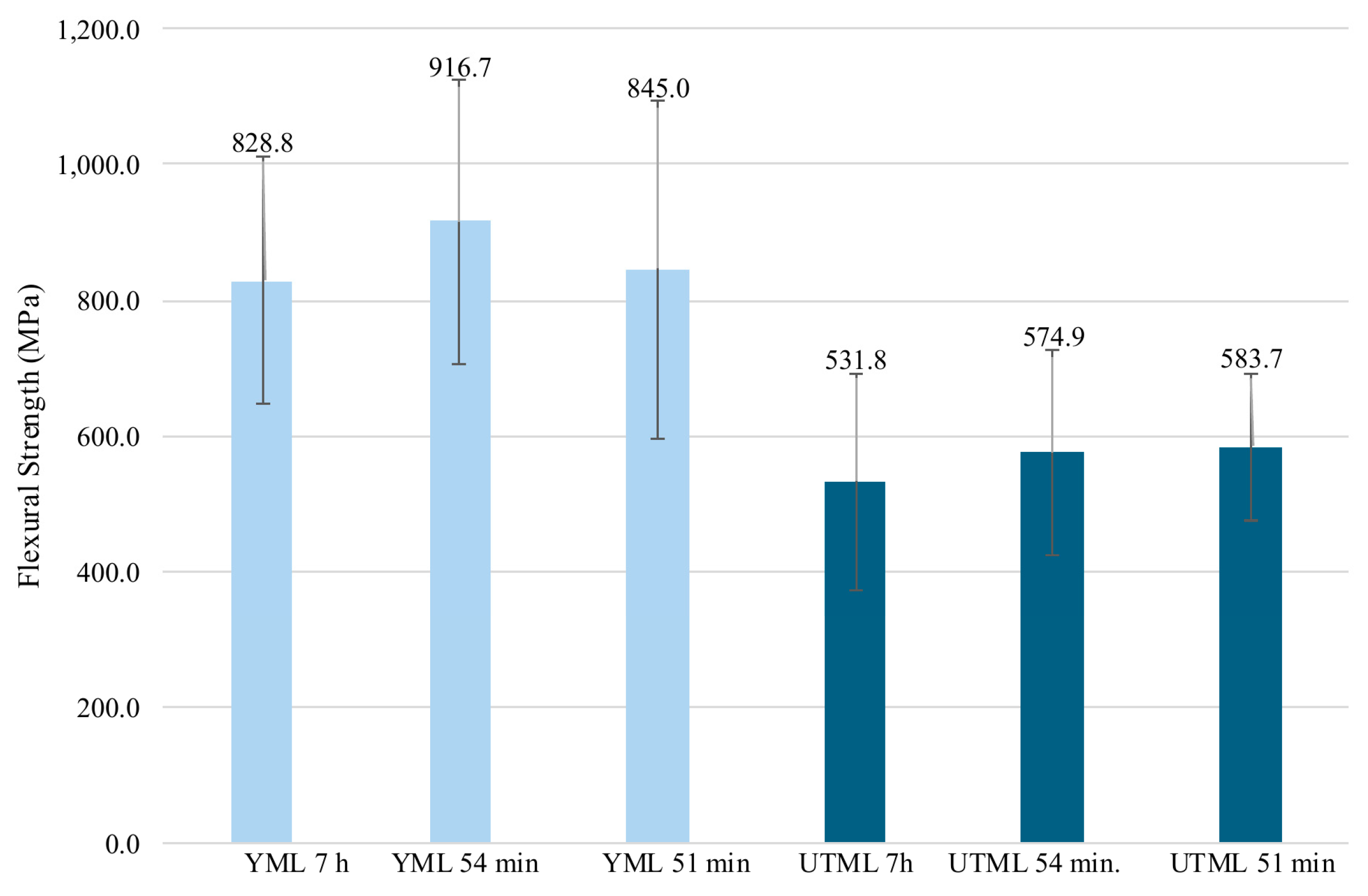
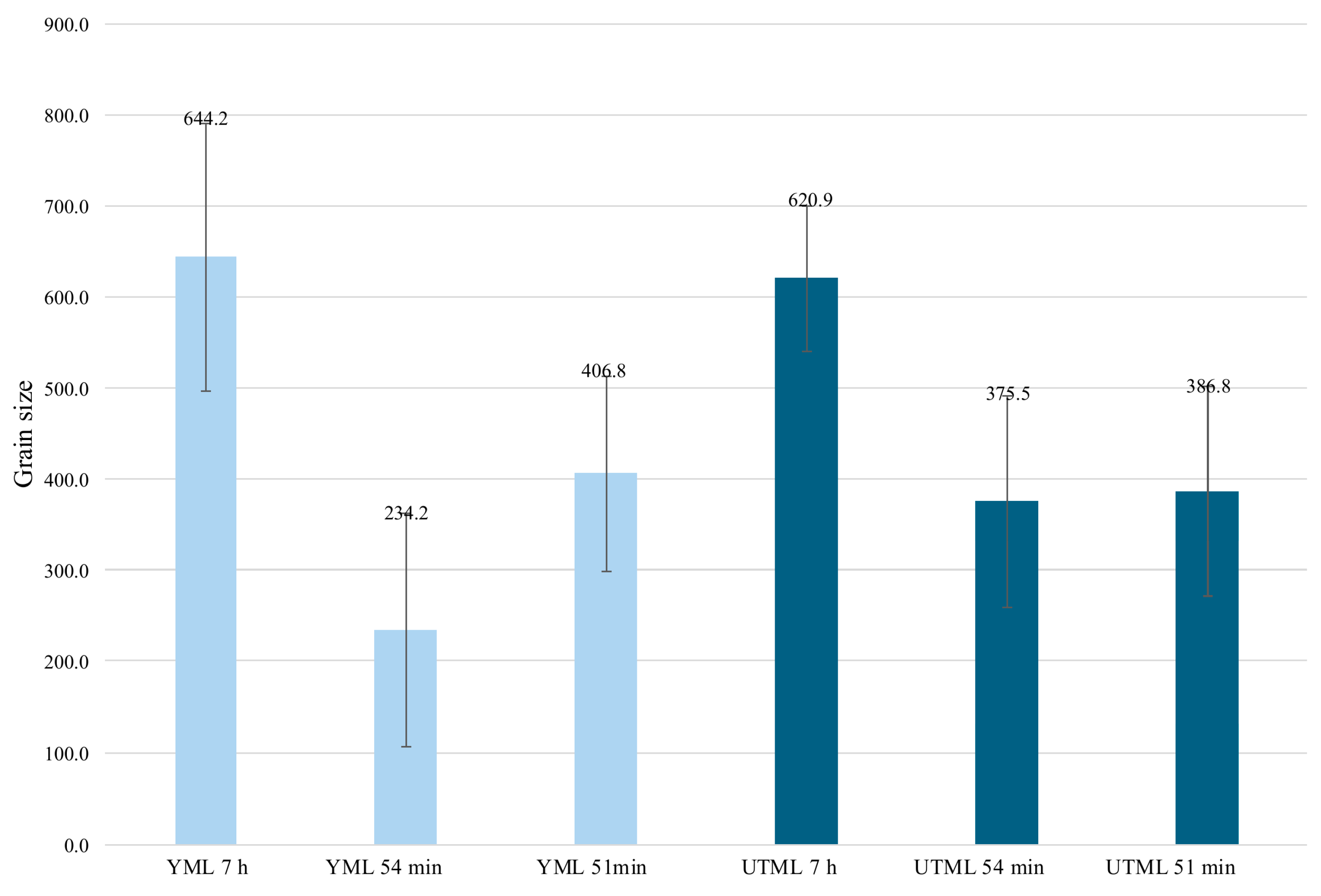
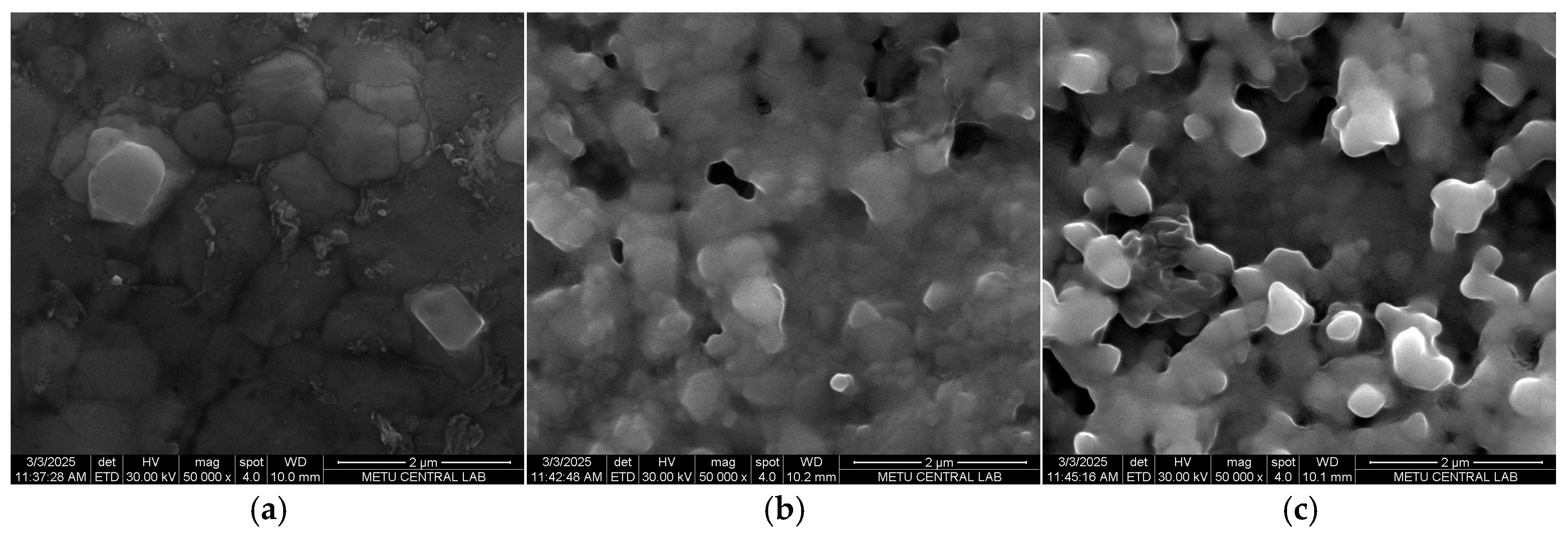
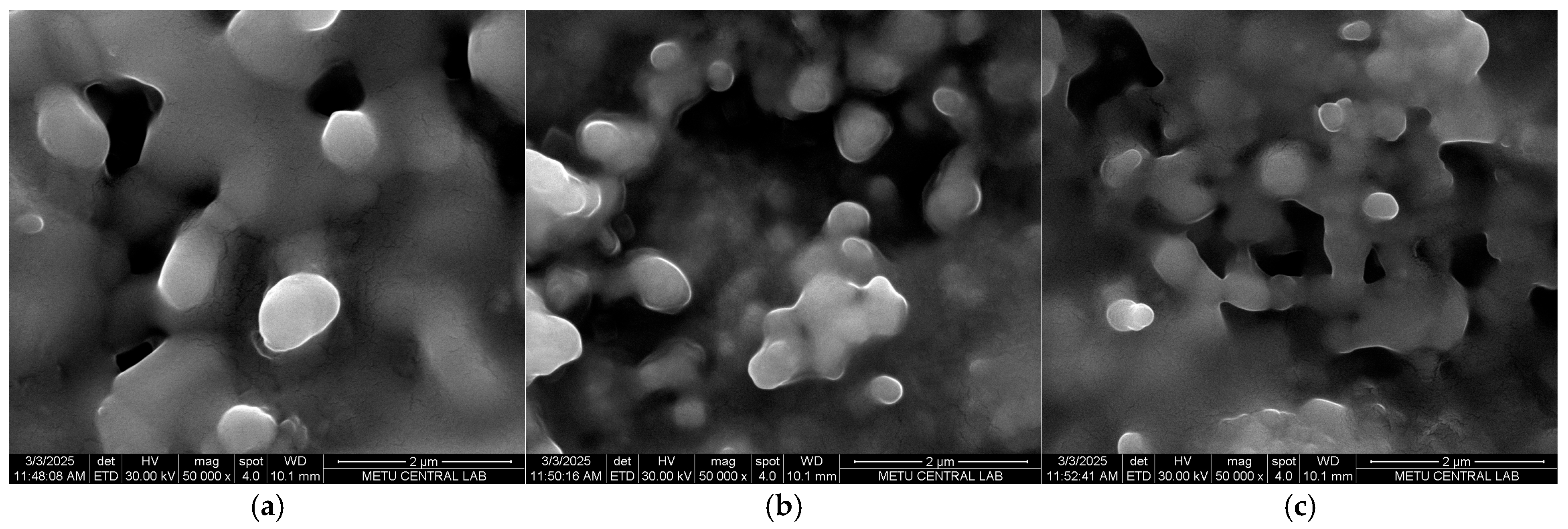
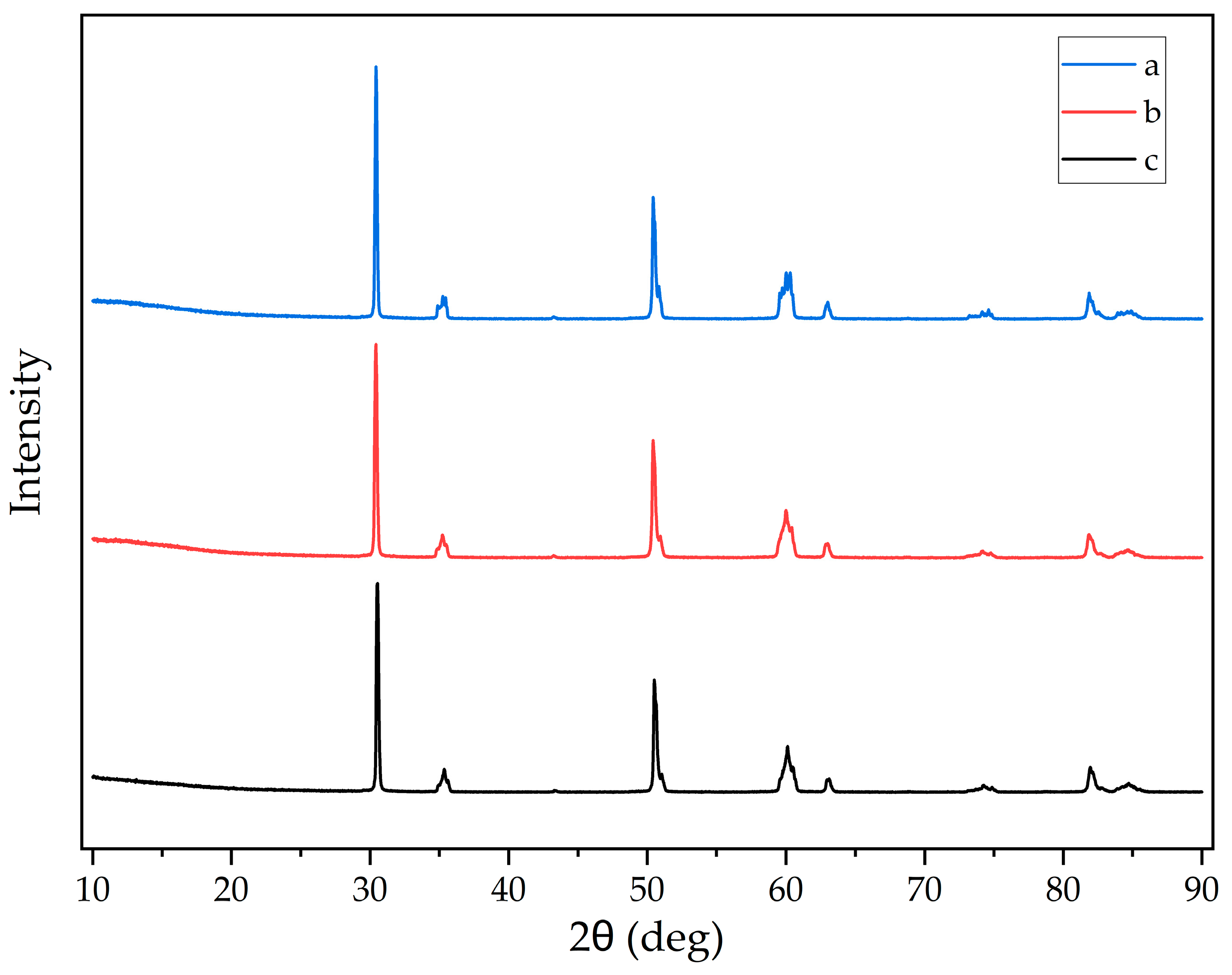
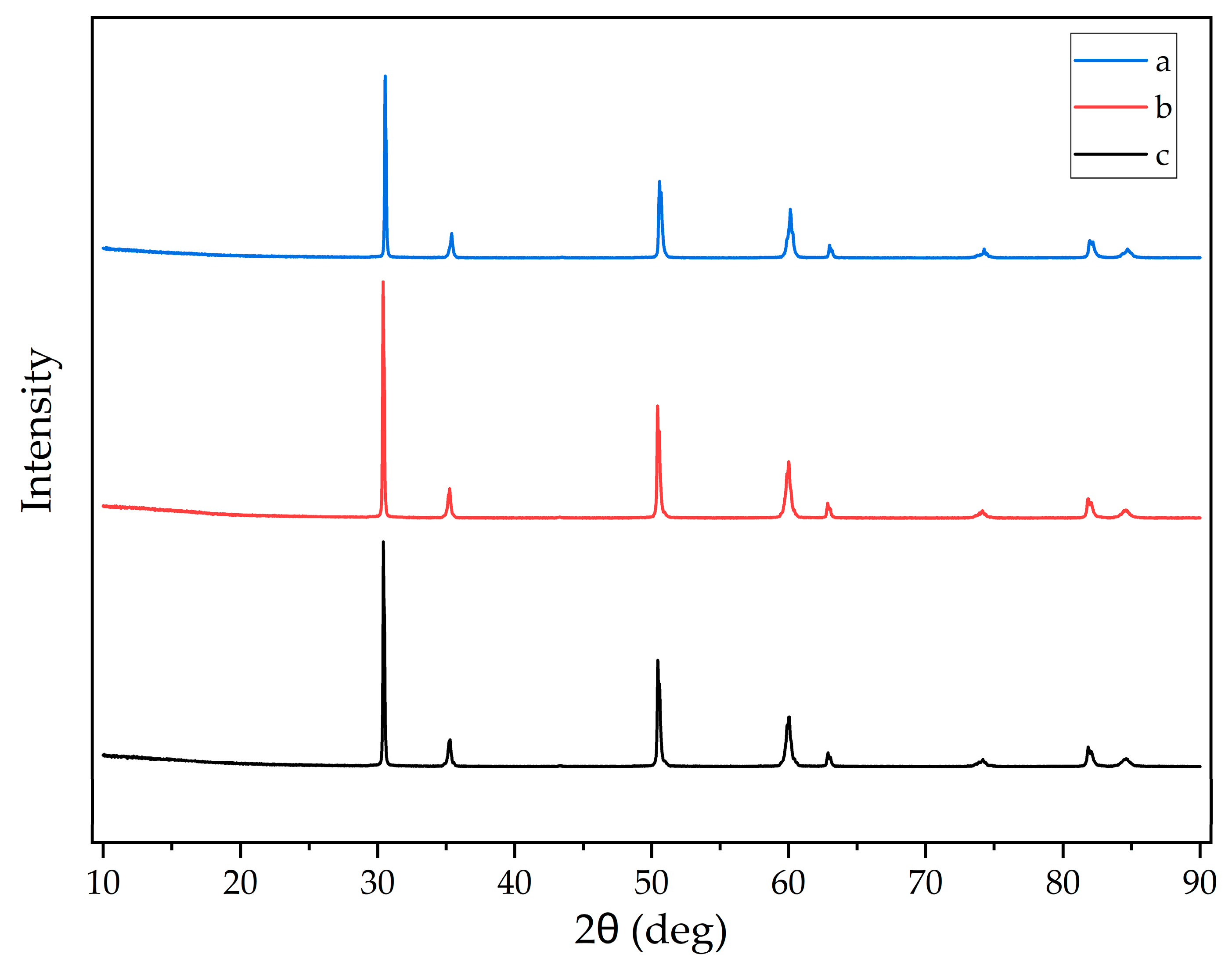
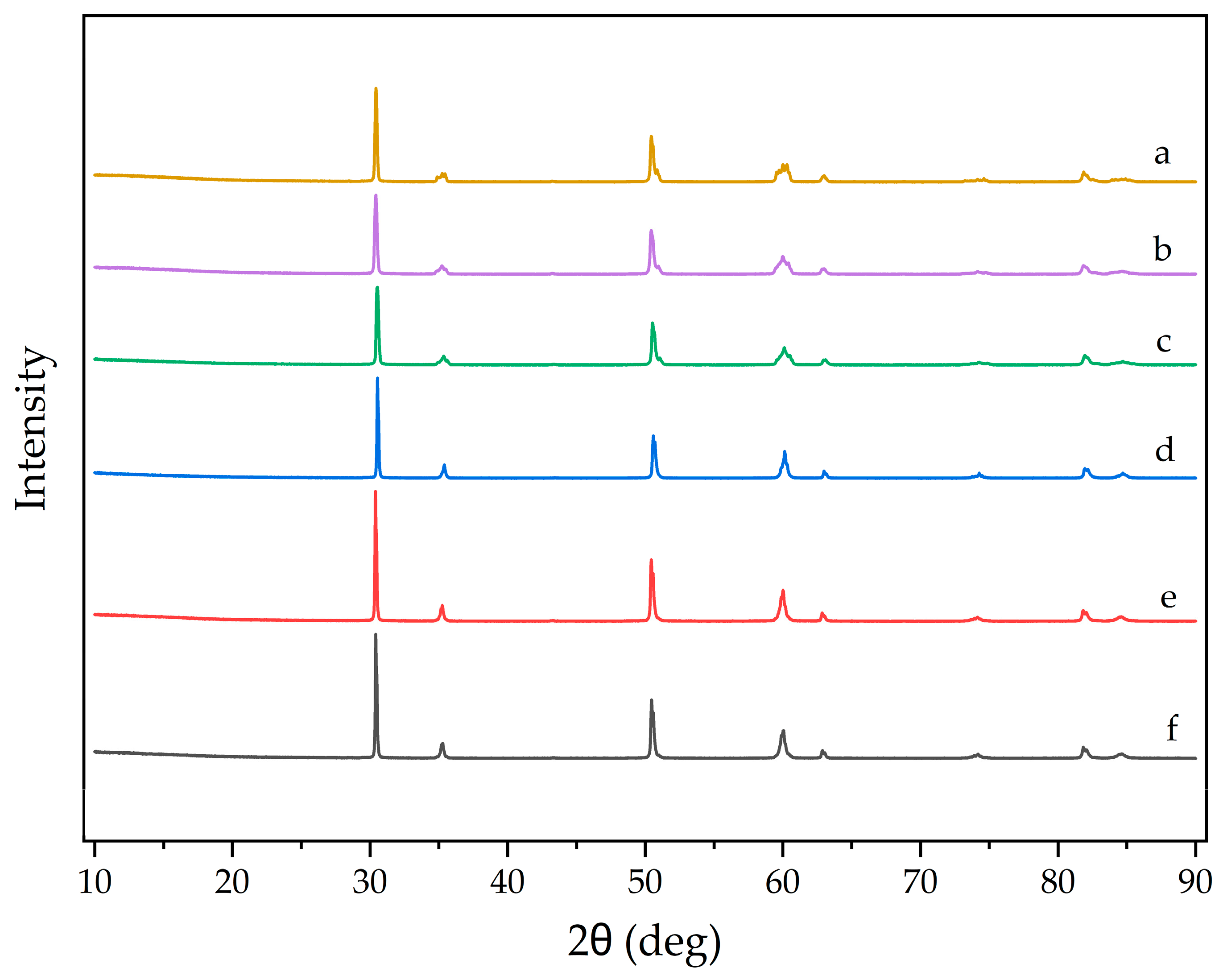
This study evaluated the effects of different sintering protocols on the mechanical and microstructural properties of two multilayered zirconia materials: strength-gradient zirconia (KATANA YML) and color-gradient zirconia (KATANA UTML). Bar-shaped specimens were fabricated from both zirconia types. Three sintering protocols were applied: a manufacturer-recommended conventional protocol (7 h at 1550 °C), a high-speed protocol (54 min at 1600 °C), and a modified high-speed protocol (51 min at 1600 °C). Eighty-four specimens underwent three-point flexural strength testing. SEM and XRD analyses were used to assess microstructure and phase composition. No significant differences in flexural strength were found among sintering protocols (p > 0.05), but YML consistently showed higher strength than UTML (p < 0.05). The highest strength in YML was observed after high-speed sintering, followed by the shortened and conventional protocols. In UTML, the modified protocol yielded the highest strength, followed by the high-speed and then conventional protocol. SEM revealed finer, more homogeneous grains with shorter sintering times. XRD confirmed stable phase composition across all protocols. High-speed and modified high-speed sintering protocols can reduce processing time without compromising zirconia’s mechanical performance. Material type had a greater effect on flexural strength than sintering time, though microstructure was protocol dependent. Proper selection of zirconia type and sintering strategy is essential for optimal outcomes.